International days offer an important opportunity for governments, embassies and civil society to come together in support of media freedom.
They provide a moment to recognise the essential work of journalists, draw attention to the threats they face, and demonstrate that attacks on press freedom and journalist safety will not be overlooked.
The Media Freedom Coalition has a long track record of organising actions in support of journalists on or around important international days, including World Press Freedom Day (May 3rd) and the International Day to End Impunity for Crimes Against Journalists (Nov 2nd).
What is more, 2026 saw the most active World Press Freedom Day at embassy level ever recorded by the MFC Secretariat, featuring:
51 activities across
34 countries involving
27 different members
The activities for World Press Freedom Day 2026 included public events, joint statements, national media op-eds, stakeholder meetings and coordinated digital communications.

Through these activities, MFC member countries were able to reach audiences in national contexts, engage directly with journalists and civil society, and amplify shared commitments to media freedom.
Embassies are particularly well placed to support these efforts. They can convene stakeholders, facilitate dialogue between governments and civil society, engage with journalists directly, and use their platforms to show solidarity with those working in increasingly difficult environments.

Carmela Fonbuena, a journalist from the Philippines reflected on the value of this engagement:
“The embassy-hosted events, such as those organized for World Press Freedom Day, have provided important opportunities to link up journalists with embassy officials, allowing us to advocate for press freedom and update diplomats on pressing concerns. Embassies have become important allies and influential voices advocating for journalistic independence in the Philippines.”
At the leadership level, MFC co-chairs Finland and the United Kingdom marked the day with a joint op-ed by Ministers Elina Valtonen and Chris Elmore, exploring how free, independent, and pluralistic media underpin sustainable peace.
Embassies quickly carried this message to audiences worldwide:
- Joint Op-Eds & Statements: Locally tailored op-eds appeared in national media across Kenya, Namibia, the Philippines, Ghana and elsewhere. Embassy networks also released joint statements in countries including Bangladesh and Malta, while an op-ed published by the MFC co-chairs in Georgia received endorsements from more than 10 partner nations.
- Creative Digital Advocacy: Embassies in Finland, Belgium, and Germany launched coordinated digital campaigns. Notably, the British Embassy in China engaged audiences through a creative, partially redacted visual op-ed that illustrated the realities of censorship.

These initiatives showed how publishing in national media, coordinating messages with like-minded partners and engaging directly with local stakeholders, diplomatic missions can help ensure that support for media freedom is visible and meaningful.
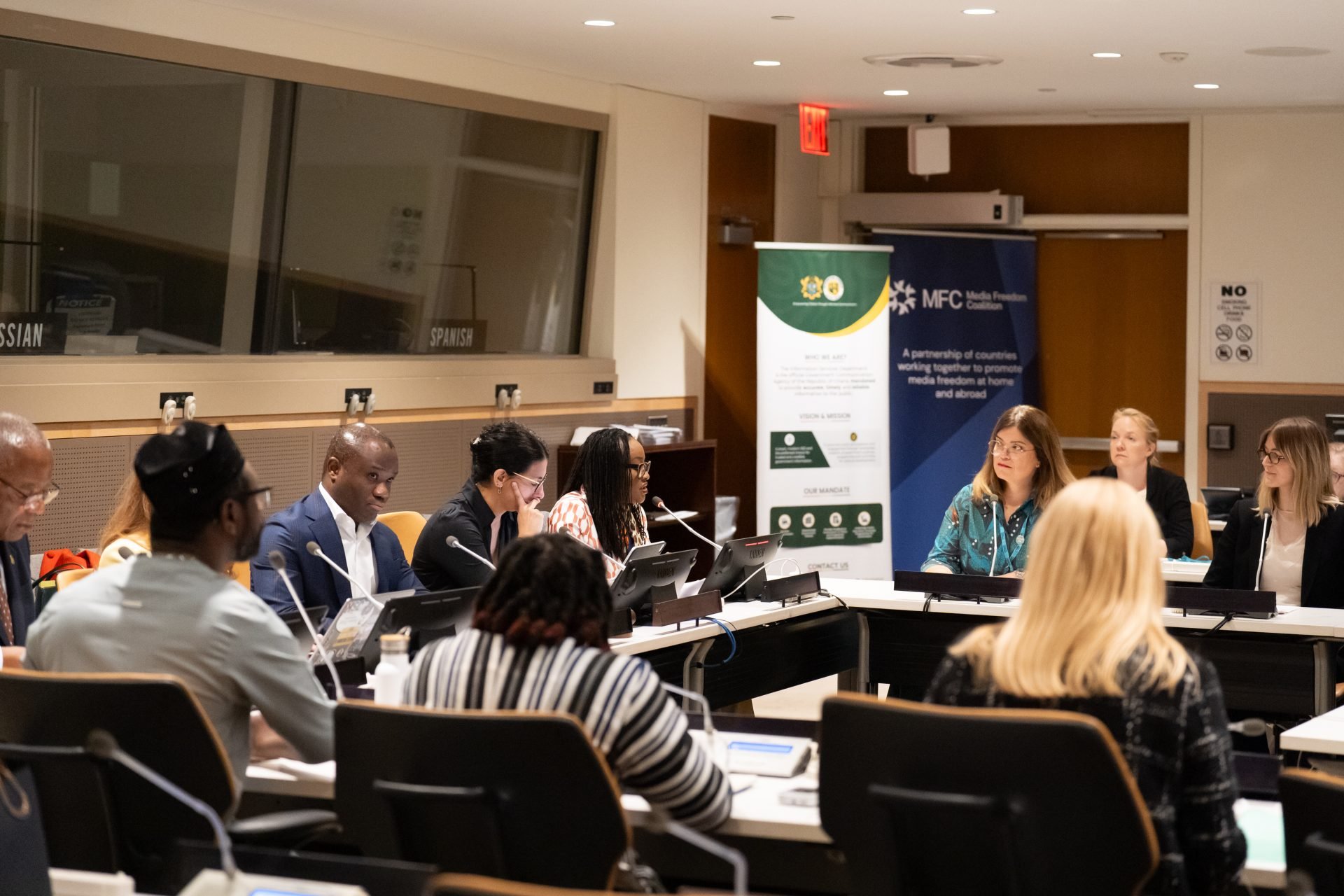
Across the MFC network, embassies and member countries also used World Press Freedom Day to create space for dialogue with journalists, media organisations and civil society.
In Cameroon, the Canadian embassy hosted a media breakfast, and in Turkey, the Consulate of Sweden hosted a panel discussion. In Ghana, the United Kingdom and the Netherlands co-hosted an event, joined by other MFC members including Ghana, focused on safeguarding press freedom amid misinformation, disinformation and information manipulation.
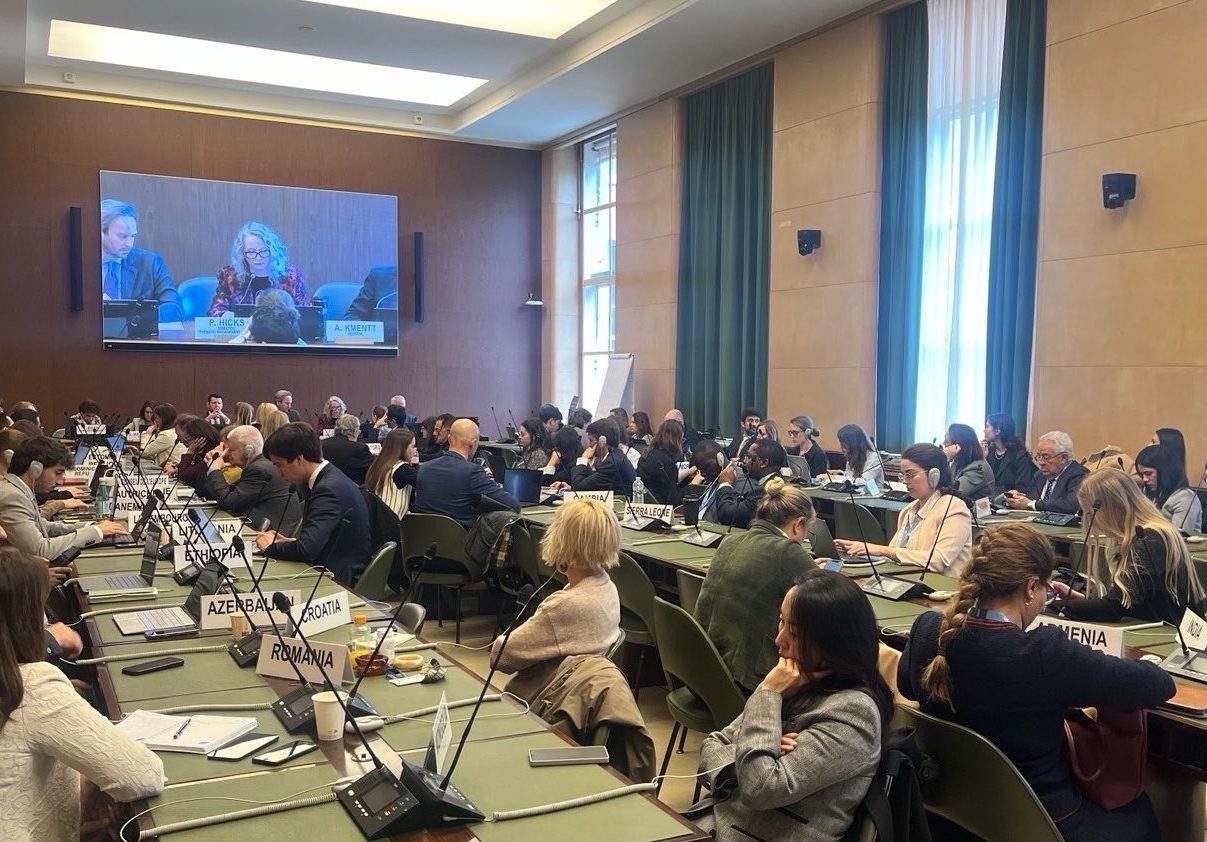
In Geneva, MFC members supported an event on the protection of journalists in exile and transnational repression. The discussion examined the growing threats faced by journalists who continue their work outside their home countries, including intimidation, harassment and pressure that can extend across borders.

The activities undertaken by MFC members around World Press Freedom Day 2026 and beyond, show the impact that coordinated diplomatic action can have. Through public advocacy, direct engagement and multistakeholder dialogue, embassies and governments helped elevate the voices of journalists and reaffirmed a shared commitment to protecting those who report in the public interest.
Through this work, MFC members continue to reaffirm their commitment to protecting journalists and promoting media freedom.